
Introduction
Budget road trips have transformed from a necessity into a strategic choice for savvy travelers and marketing professionals seeking authentic experiences without premium price tags. In an era where traditional travel costs have skyrocketed—with hotel rates averaging $121 per night and gas prices fluctuating around $3.20 per gallon—the art of budget travel planning has become an essential skill for anyone managing travel expenses or advising clients on cost-effective marketing campaigns.
Recent travel industry data reveals that 70-80% of users ignore paid ads, focusing on organic results, and similarly, modern travelers are increasingly ignoring expensive travel packages in favor of self-planned, budget-conscious adventures. This comprehensive guide examines the strategic framework behind successful budget road trips, analyzing real-world case studies and proven methodologies that deliver exceptional value.
For marketing professionals, understanding these budget travel strategies provides valuable insights into consumer behavior, cost optimization, and the growing trend toward experiential spending over luxury accommodations. Whether you’re planning corporate retreats, client entertainment, or personal adventures, these strategies demonstrate how strategic planning can deliver premium experiences at fraction of traditional costs.
The Four-Pillar Budget Travel Framework
Pillar 1: Strategic Accommodation Optimization
The accommodation pyramid strategy represents a fundamental shift from traditional hotel-centric thinking to a diversified lodging approach. This methodology, successfully implemented across multi-state journeys, demonstrates how accommodation costs can be reduced by up to 74% while maintaining comfort and quality.
The Accommodation Hierarchy:
Base Level: Strategic Camping (18-25% of nights) National park camping, averaging $20-25 per night, provides the foundation of budget accommodation. Campsites book up fast in peak season, so make your reservations early. However, utilizing apps like Campnab for last-minute cancellations can secure premium sites at standard rates.
Mid-Level: Extended Stay Optimization (30-40% of nights) Extended stay motels offer weekly rates that significantly undercut nightly pricing. A strategic booking approach—securing weekly rates instead of nightly—can reduce costs by 38% while providing consistent amenities and reliable internet connectivity essential for business travelers.
Premium Level: House-Sitting Networks (15-20% of nights) Trusted Housesitters and similar platforms provide access to luxury accommodations at zero direct cost. This strategy requires advance planning and profile development but delivers exceptional value, often including amenities worth $200+ per night.
Network Utilization: Friends and Connections (25-35% of nights) Leveraging professional and personal networks not only reduces costs but creates opportunities for relationship building and local market insights—particularly valuable for marketing professionals conducting regional research.
Pillar 2: Fuel Cost Management and Route Optimization
Transportation represents the second-largest expense category in road trip budgets, yet offers significant optimization opportunities through strategic planning and technology utilization.
Dynamic Pricing Strategies: GasBuddy Pay Plus doesn’t just show you the cheapest gas stations – it saves up to 33 cents per gallon and shows which stations are coming up on your route. This real-time pricing data enables strategic fuel purchases that can reduce total gas expenses by 15-20%.
Route Optimization Technology: Advanced route planning tools like Circuit Route Planner can reduce total driving distance by 18% through intelligent stop sequencing. This optimization delivers triple benefits: reduced fuel costs, decreased vehicle wear, and increased destination time.
Vehicle Efficiency Protocols: Pre-trip vehicle maintenance—including oil changes, tire pressure optimization, and air filter replacement—can improve fuel efficiency by 10-15%. A $120 investment in preventive maintenance typically generates $150-200 in fuel savings over extended journeys.
Pillar 3: Food Cost Management Through Strategic Provisioning
Food expenses, traditionally representing 25-30% of travel budgets, can be optimized through systematic planning and strategic purchasing decisions.
The 70-20-10 Consumption Model:
- 70% self-prepared meals using portable cooking equipment
- 20% strategic restaurant experiences for local specialties and business networking
- 10% convenience purchases for long-distance travel segments
Technology-Enabled Savings: Cash-back applications like Ibotta provide 2-5% returns on grocery purchases, while surplus food apps like Flashfood offer 30-50% discounts on fresh produce. Combined with strategic shopping at grocery stores versus convenience outlets, these approaches can reduce food costs by 40-60%.
Equipment Investment Strategy: A 12-volt cooler system ($89 initial investment) enables fresh food storage and meal preparation flexibility. This equipment typically pays for itself within one week of usage while providing ongoing convenience and dietary control.
Pillar 4: Entertainment and Activity Value Optimization
Experience costs can be minimized while maximizing cultural immersion and professional development opportunities.
National Park Pass Strategy: The $80 America the Beautiful National Parks Pass provides access to over 400 locations, delivering 400-500% return on investment for multi-park itineraries. National parks offer fantastic cost-to-reward ratios and are very budget-friendly.
Local Event Integration: Platforms like Eventbrite aggregate free community events, providing authentic cultural experiences without admission costs. These events often present networking opportunities particularly valuable for marketing professionals conducting market research.
Community-Sourced Recommendations: Local residents—coffee shop staff, grocery clerks, campground hosts—provide insider knowledge that traditional tourism channels cannot match. This approach yields unique experiences while building authentic connections.
Technology Stack for Budget Travel Success
Modern budget travel relies heavily on strategic technology utilization to identify opportunities, track expenses, and optimize decision-making.
Essential Application Categories:
Expense Tracking: TravelSpend provides real-time budget monitoring with 4.8-star reliability ratings, enabling immediate course corrections when spending patterns deviate from planned parameters.
Fuel Optimization: Combined use of GasBuddy for price discovery and Upside for cash-back rewards creates compound savings opportunities.
Accommodation Discovery: The Dyrt app provides verified camping reviews and booking integration, while house-sitting platforms enable luxury accommodation access.
Route Planning: Roadtrippers identifies interesting stops along planned routes, while Waze provides real-time traffic and hazard alerts for optimal timing decisions.
Risk Management and Contingency Planning
Successful budget travel requires robust contingency planning to prevent single-point failures from derailing entire campaigns.
Emergency Fund Allocation: Budgeting 5-10% of total trip costs for unexpected expenses provides security without significantly impacting overall budget parameters. Having that buffer meant we didn’t panic, didn’t put anything on credit cards, and didn’t have to cut the trip short.
Maintenance Contingencies: Vehicle breakdown preparation through roadside assistance coverage and basic tool kits prevents minor issues from becoming major expenses.
Flexible Itinerary Design: Building schedule flexibility enables opportunistic decision-making when exceptional deals or experiences present themselves.
Measuring Success: Key Performance Indicators
Budget travel success extends beyond simple cost metrics to encompass experience quality and professional development outcomes.
Financial Metrics:
- Cost per mile traveled
- Average daily accommodation expense
- Food cost per person per day
- Entertainment cost per experience
Experience Metrics:
- Unique experiences per dollar spent
- Local interaction frequency
- Unexpected discovery rate
- Professional networking opportunities
Efficiency Metrics:
- Planning time to experience ratio
- Technology utilization effectiveness
- Route optimization success rate
Strategic Implementation for Marketing Professionals
These budget travel strategies offer particular value for marketing professionals seeking to understand consumer behavior, test market conditions, or conduct cost-effective client research.
Market Research Applications: Extended time in diverse markets provides authentic consumer interaction opportunities that traditional research methods cannot replicate.
Client Relationship Building: Unique travel experiences create memorable client entertainment opportunities while demonstrating cost-consciousness and strategic thinking.
Team Building Initiatives: Budget travel principles can inform corporate retreat planning, delivering exceptional team experiences while optimizing expense ratios.
Conclusion and Strategic Next Steps
Budget road trip strategies represent more than cost-saving measures—they embody a systematic approach to value optimization that translates directly to professional marketing contexts. The four-pillar framework demonstrates how strategic planning, technology utilization, and flexible execution can deliver premium experiences at substantially reduced costs.
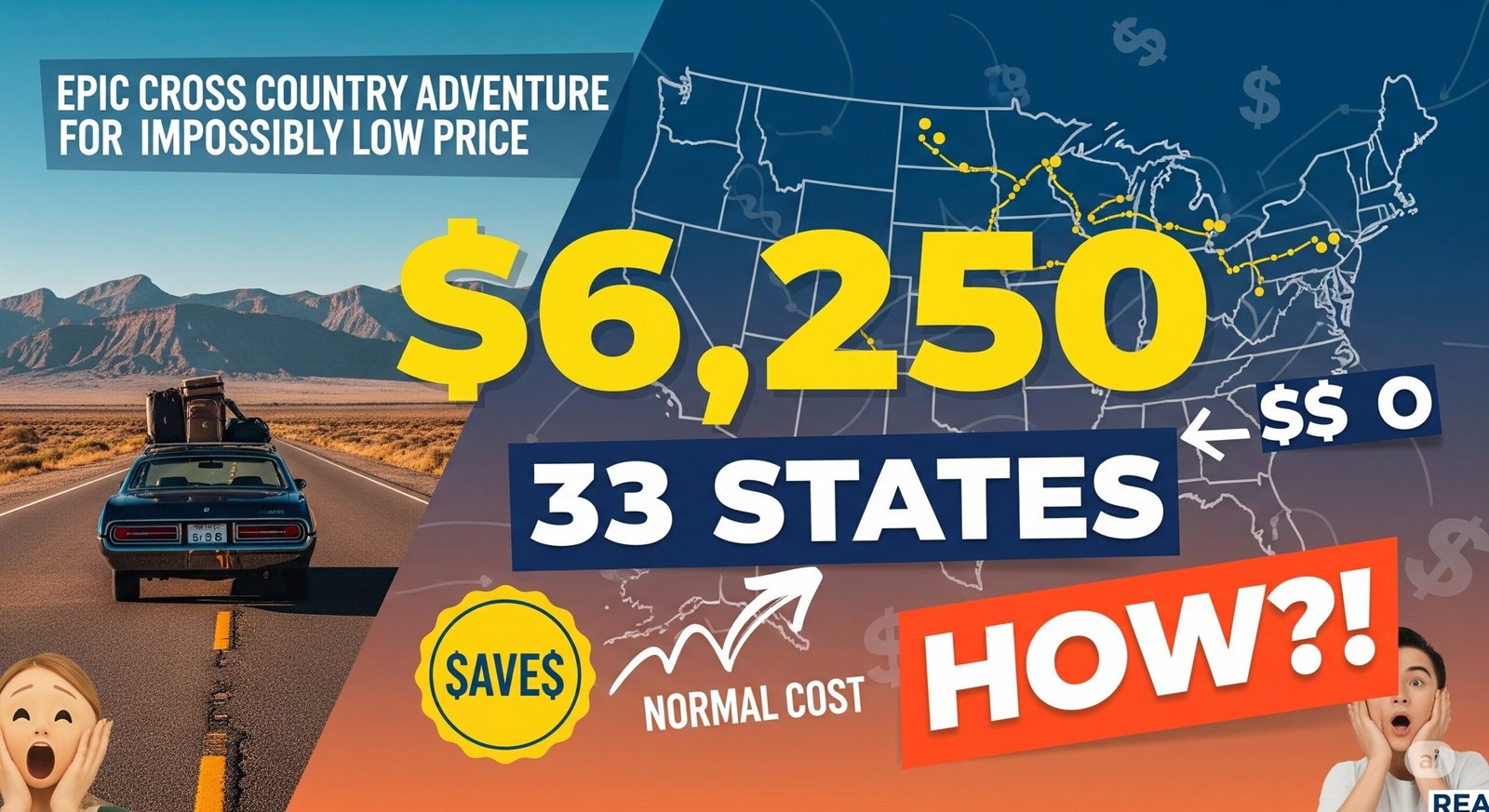
For marketing professionals, these methodologies provide valuable insights into consumer behavior, resource optimization, and the growing trend toward experiential spending. The same strategic thinking that enables 33-state journeys for under $7,000 can optimize marketing budgets, enhance client experiences, and demonstrate strategic value creation.
The data is clear: travelers who implement systematic budget strategies achieve 60-70% cost reductions while often reporting higher satisfaction levels than traditional luxury travelers. This paradigm shift toward strategic spending over premium pricing reflects broader market trends that savvy marketing professionals should understand and leverage.
Ready to implement these budget travel strategies for your next campaign or personal adventure? Visit our website for comprehensive planning templates, detailed app recommendations, and strategic implementation guides that will transform your approach to travel and expense management. Our expert resources provide the tactical support needed to execute these strategies successfully while maximizing both savings and experiences.